


The benefits of in-home care help seniors stay safe and comfortable at home while getting the support they need. In-home care services give personal attention and help with daily tasks. Caregivers assist with meals, medication, and mobility.
Staying at home in familiar surroundings can reduce stress and improve life. Families also feel peace of mind knowing trained professionals are watching over their loved ones. From emotional support to health checks, home care for seniors makes life easier and safer. It allows seniors and families to get help without moving to a nursing home.
What Is In-Home Care?
In-home care is help provided to seniors and adults in their own homes. It includes support for daily tasks, personal care, and health needs. In-home care services are flexible. They can be short-term or long-term. This type of care helps seniors stay independent. Families also get peace of mind knowing their loved ones are safe and supported at home.
How In-Home Care Works
In-home care works by assigning trained caregivers to provide daily support. They help with tasks like bathing, dressing, meal preparation, and taking medicine. Caregivers may also offer companionship and emotional support. The care plan is personalized. It is based on the senior’s health needs and lifestyle. This ensures seniors get the help they need without unnecessary services.
Who Can Benefit from In-Home Care
Many people can benefit from in-home care. Seniors who want to age in place at home find it very helpful. Adults recovering from illness or surgery also benefit. People with mobility issues or memory challenges gain safety and support. Families gain relief from daily caregiving stress. In-home senior care makes life easier for both seniors and their families.
In-home care for seniors is not just about help with chores. It ensures comfort, safety, and independence. Seniors stay in familiar surroundings while receiving personal care. Families can trust trained professionals to monitor health and provide daily support. Overall, it is a practical solution for anyone needing help at home.
Key Benefits of In-Home Care
In-home care provides seniors with many advantages. It goes beyond basic help and improves their daily life. Seniors can get personal attention while staying at home. They receive support for meals, medicine, mobility, and emotional needs. Families also gain comfort knowing loved ones are looked after.
Comfort of Staying at Home
One of the main benefits is staying in familiar surroundings. Seniors feel safe and relaxed at home. Daily routines continue without disruption. Familiar settings reduce stress and support mental well-being. Home care for seniors allows them to live comfortably while receiving the help they need.
One-on-One Personal Attention
In-home care services provide dedicated caregivers. Each senior gets personal attention. Caregivers help with daily living tasks like bathing, dressing, and cooking. They also offer companionship and emotional support. This focused care ensures seniors’ needs are met quickly and consistently.
Flexible Care Based on Daily Needs
Care plans can be adjusted as needed. Seniors may need more support on some days and less on others. Caregivers work with families to meet changing needs. This flexibility allows seniors to remain independent while still getting proper care. It also helps families feel confident about daily support.
In-home care for seniors improves comfort, safety, and independence. It provides personal attention and flexible support for daily tasks. Families can relax knowing their loved ones are monitored and assisted. Overall, it is a practical and compassionate way to improve seniors’ quality of life.
Health and Safety Benefits of In-Home Care
In-home care helps seniors stay healthy and safe in their homes. Caregivers provide support for daily routines, monitor health, and prevent accidents. Seniors can avoid hospital visits and continue their usual lifestyle. Home care for seniors keeps them comfortable while giving families peace of mind.
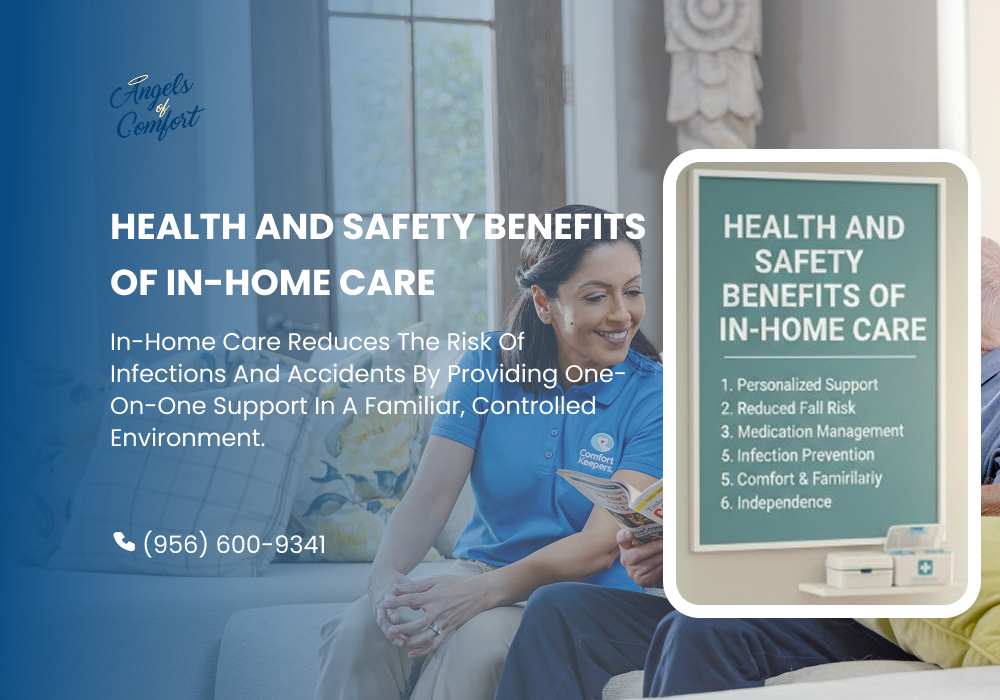
Seniors cared for at home are less likely to catch infections than those in hospitals or nursing homes. Caregivers follow proper hygiene and maintain a clean living space. This daily attention helps seniors stay healthy and lowers the risk of illness. Home care for seniors provides a safer environment.
Support with Mobility and Medication
Caregivers assist with walking, moving around safely, and using mobility aids. They also help manage medications, ensuring the proper doses at the correct times. This reduces falls and prevents medication errors. In-home care services keep seniors safe, healthy, and independent while making life easier for families.
In-home care combines safety, health support, and daily assistance into a single service. Seniors get the attention they need, while families can trust that trained caregivers are watching over them. Overall, home care for seniors improves well-being and creates a secure home environment.
Emotional and Mental Health Benefits of In-Home Care
In-home care helps seniors feel happier and more secure in their homes. Caregivers provide companionship, support, and reassurance. Staying in familiar surroundings reduces stress and promotes a positive mood. Home care for seniors also helps families feel confident that their loved ones are supported every day.
Loneliness can affect seniors’ mental health. In-home care services provide daily interaction and conversation. Caregivers spend time talking, sharing activities, and offering emotional support. This companionship reduces feelings of isolation and improves overall well-being. Seniors enjoy a sense of connection while staying in their own homes.
Comfort and Familiar Surroundings
Being at home in a familiar environment helps seniors feel calm and safe. They can follow their routines and enjoy personal spaces. Home care for seniors supports emotional stability by allowing them to live independently while getting the help they need. Families also feel reassured knowing their loved ones are comfortable and cared for.
Emotional and mental health benefits are a key part of in-home care. Seniors get companionship, support, and a stable environment. Families can relax knowing trained caregivers are providing both physical and emotional help. Overall, home care for seniors strengthens well-being and improves quality of life.
Benefits for Family Members
In-home care helps families manage the responsibilities of caring for their loved ones. Caregivers provide daily support and monitor seniors’ health. Families can feel peace of mind knowing trained professionals are assisting with personal care and daily tasks. Home care for seniors makes life easier for everyone involved.

Peace of Mind
Families often worry about the safety and health of their loved ones. In-home care services provide trained caregivers who offer reliable support. Seniors receive help with meals, medication, and mobility. Families can trust that daily needs are being met. This reduces stress and allows family members to focus on their own lives while knowing their loved ones are safe.
Reduced Caregiver Burnout
Caring for a senior can be exhausting and overwhelming. Home care for seniors gives family members a break from constant caregiving. Caregivers share responsibilities and provide professional support. This prevents burnout and helps families maintain a healthy balance between work, life, and care responsibilities. Families feel supported while seniors receive proper assistance.
In-home care strengthens the bond between families and seniors. It provides peace of mind and reduces stress for family caregivers. Seniors get the attention they need while families can manage their own responsibilities. Overall, home care for seniors benefits both seniors and the people who care about them.
Cost Benefits of In-Home Care
In-home care can be more affordable than other care options, such as nursing homes or assisted living facilities. Families pay only for the services their loved ones need. Home care for seniors provides support without extra costs. It helps families manage expenses while keeping seniors safe and comfortable at home.
In-Home Care vs Nursing Homes
Nursing homes and assisted living facilities can be expensive. In-home care services allow families to choose the level of care needed. Seniors get personal attention without paying for unnecessary services. This flexibility can save money while still providing high-quality support. Families can make a cost-effective plan that meets both health and budget needs.
Paying Only for Needed Services
In-home care is tailored to each senior’s needs. Caregivers provide help with meals, medication, mobility, or companionship as required. Families do not have to pay for services they do not need. Home care for seniors allows families to spend wisely while ensuring their loved ones receive proper care every day.
In-home care offers financial benefits, as well as safety and comfort. Families can choose services based on needs and budget. Seniors receive personalized support without unnecessary costs. Overall, home care for seniors is a practical solution that provides both care and savings.
When In-Home Care Is the Right Choice
In-home care is ideal for seniors who want to stay at home but need support. Caregivers help with daily tasks, health monitoring, and personal care. Home care for seniors allows seniors to live independently while receiving safe, reliable help. Families can feel confident that their loved ones are well cared for.
Signs Your Loved One May Need Care
There are clear signs that a senior might benefit from in-home care. Difficulty with bathing, dressing, or cooking is one. Trouble remembering to take medicine or increased falls is another. Seniors who feel lonely or isolated can also gain from companionship. Home care for seniors provides support in all these areas.
Short-Term vs Long-Term Care Needs
In-home care can be flexible. Some seniors need help for a few weeks after surgery or illness. Others require long-term support due to aging or chronic conditions. Care plans are adjusted based on the senior’s needs. This flexibility ensures seniors receive the proper care at the right time without unnecessary services.
In-home care is the right choice when seniors need support but want to remain at home. It offers personalized assistance, safety, and companionship. Families can trust trained caregivers to provide daily help. Overall, home care for seniors balances independence and support, improving the lives of both seniors and families.
Final Thoughts on In-Home Care
In-home care helps seniors stay safe, comfortable, and independent. Caregivers provide support with daily tasks, personal care, meals, and medications. They also offer companionship and emotional support. Seniors benefit from familiar surroundings, reduced stress, and a healthier routine.
Families gain peace of mind knowing loved ones are monitored and assisted by trained professionals. In-home care is flexible and can be tailored to short-term or long-term needs. It ensures seniors get the help they need without unnecessary services.
Overall, home care for seniors improves quality of life, supports independence, and eases the daily burden on families. It is a practical and compassionate way to care for loved ones at home.
FAQs About In-Home Care
What is in-home care?
In-home care is support provided to seniors or adults in their own homes. Caregivers help with daily tasks, personal care, meals, medications, and companionship. It allows seniors to stay independent while receiving the help they need.
Who can benefit from in-home care?
Seniors, adults recovering from illness, and people with mobility or memory challenges can benefit. Families also gain peace of mind knowing trained caregivers are assisting their loved ones.
What services are included in home care for seniors?
Services include bathing, dressing, meal preparation, medication reminders, mobility support, and emotional companionship. Care plans can be customized to meet individual needs.
How is in-home care different from nursing homes?
In-home care allows seniors to stay at home with personalized support. Nursing homes are more structured and costly, while home care is flexible and tailored to daily needs.
How do families choose exemplary in-home care services?
Families should check caregiver training, services offered, flexibility of care plans, and reviews. Choosing a reliable service ensures seniors get proper daily support and families gain confidence.